
Many people come to psychiatric care looking for a diagnosis — depression, anxiety, ADHD — and for medication to treat it. Medication can absolutely help, and for some people, it is an essential part of treatment.
Medication is one tool. Used as part of a thoughtful treatment plan, it can address important aspects of mental health while other tools support the many things that influence how we feel and function.
For many people, the most effective approach combines medication with other forms of support — such as therapy, healthy sleep, movement, and meaningful connection.
Think of mental health as having a toolkit. Different people need different tools, and what you need can change over time. Sometimes one tool makes the biggest difference. Sometimes several work together.
Medication
Medication management · Psychiatric treatment · Supplements
Medication is an important clinical tool. The right medication — and the decision to use one — depends on the individual: symptoms, medical history, other medications, and treatment goals.
Supplements may also have a role in certain circumstances, but “natural” doesn't automatically mean safe, effective, or appropriate. Evidence, potential interactions, and individual health factors matter.
Think of medication as helping address a part of the system that needs support. It can be what helps you get moving again — but you still need the other parts of the vehicle to move through life in a healthy, sustainable way.
Medication management is the foundation of my practice, but management means more than writing a prescription. It means paying attention to how treatment is working, considering the whole picture, and adjusting when it isn't the right fit.
Mindfulness
Therapy · Awareness · Emotional regulation
Mindfulness is the practice of paying attention to what is happening in the present moment with curiosity rather than immediately judging, avoiding, or reacting to it. It doesn't require clearing your mind or feeling calm. The goal is to notice what is happening and create a little more space between an experience and your response to it.
Therapy can help develop this awareness while providing space to understand patterns, process difficult experiences, build coping skills, and develop new ways of responding. Self-reflection and self-compassion can become part of that work, too.
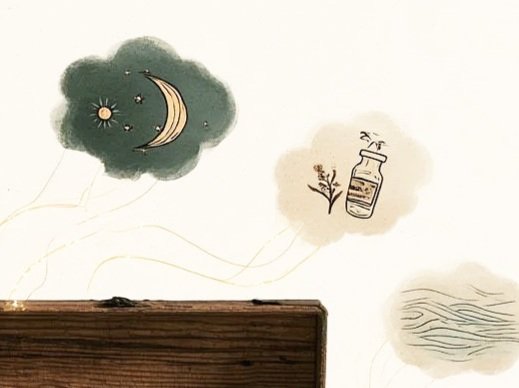
Sleep
Rest · Routine · Circadian rhythm
Sleep is foundational to mental and physical health. It supports mood, attention, memory, energy, emotional regulation, and resilience.
Healthy sleep isn't only about bedtime. Light, timing, activity, and daily routines all help signal when the brain should be awake and when it should wind down. Morning daylight, a relatively consistent wake time, daytime activity, and reducing bright light in the evening can all support the sleep-wake rhythm.
For some people, seasonal changes in daylight can also affect sleep and mood. When clinically appropriate, bright-light therapy may be another tool to consider.
Movement
Brain · Body · Nourishment
Movement affects more than physical health. Regular physical activity can support mood, energy, sleep, attention, stress regulation, and overall brain health.
The brain also needs consistent access to energy and nutrients to function well. Nutrition isn't about finding a perfect diet; it's about creating patterns of nourishment that support energy, concentration, mood, and overall health.
Neither requires perfection. The most useful movement and nourishment habits are often the ones you can actually sustain.
Connection
Relationships · Creativity · Meaning
Connection is a fundamental part of mental well-being. Supportive relationships can provide perspective, comfort, belonging, and practical help. Connection doesn't have to mean being highly social — it can be as simple as feeling known and supported by another person.
Creativity can offer another form of connection — with yourself, with others, or with something that feels meaningful. It can provide a way to explore thoughts and emotions that aren't always easy to express directly. It doesn't need to produce something impressive or useful. The process itself can offer curiosity, expression, and a different way of experiencing yourself.
You don't need every tool in the toolkit.
And you don't need to use them perfectly. Someone may need medication as a central part of treatment; someone else may benefit most from therapy, better sleep, more movement, or a combination of several tools. What you need can change over time, too.
Mental health care isn't about doing everything right. It's about understanding what might be affecting how you feel and function, knowing what tools are available, and finding the combination that makes sense for you.
If you're not sure where to start, begin with a simple question: What am I noticing, and what might I need more of — or less of?
Medical Disclaimer: This post is for general educational and informational purposes only and is not a substitute for individualized medical, psychiatric, or mental health advice, diagnosis, or treatment. Read the full Medical Disclaimer→