
Rejection Sensitive Dysphoria
When Something Small Feels Like a Storm
Sudden, intense emotional reactions to real or perceived rejection, criticism, or failure — that can feel far bigger than the moment itself.

What is Rejection Sensitive Dysphoria (RSD)?
ADHD is often associated with challenges with attention, organization, and focus — but for many people, ADHD also affects emotional regulation. Some individuals with ADHD experience a heightened sensitivity to rejection, criticism, mistakes, or the feeling of falling short of their own expectations. This experience is often referred to as Rejection Sensitive Dysphoria (RSD).
RSD is not a formal diagnosis, and research specifically on RSD is still developing. Rejection sensitivity is not unique to ADHD, and these experiences can overlap with anxiety, trauma-related responses, and other mental health concerns.
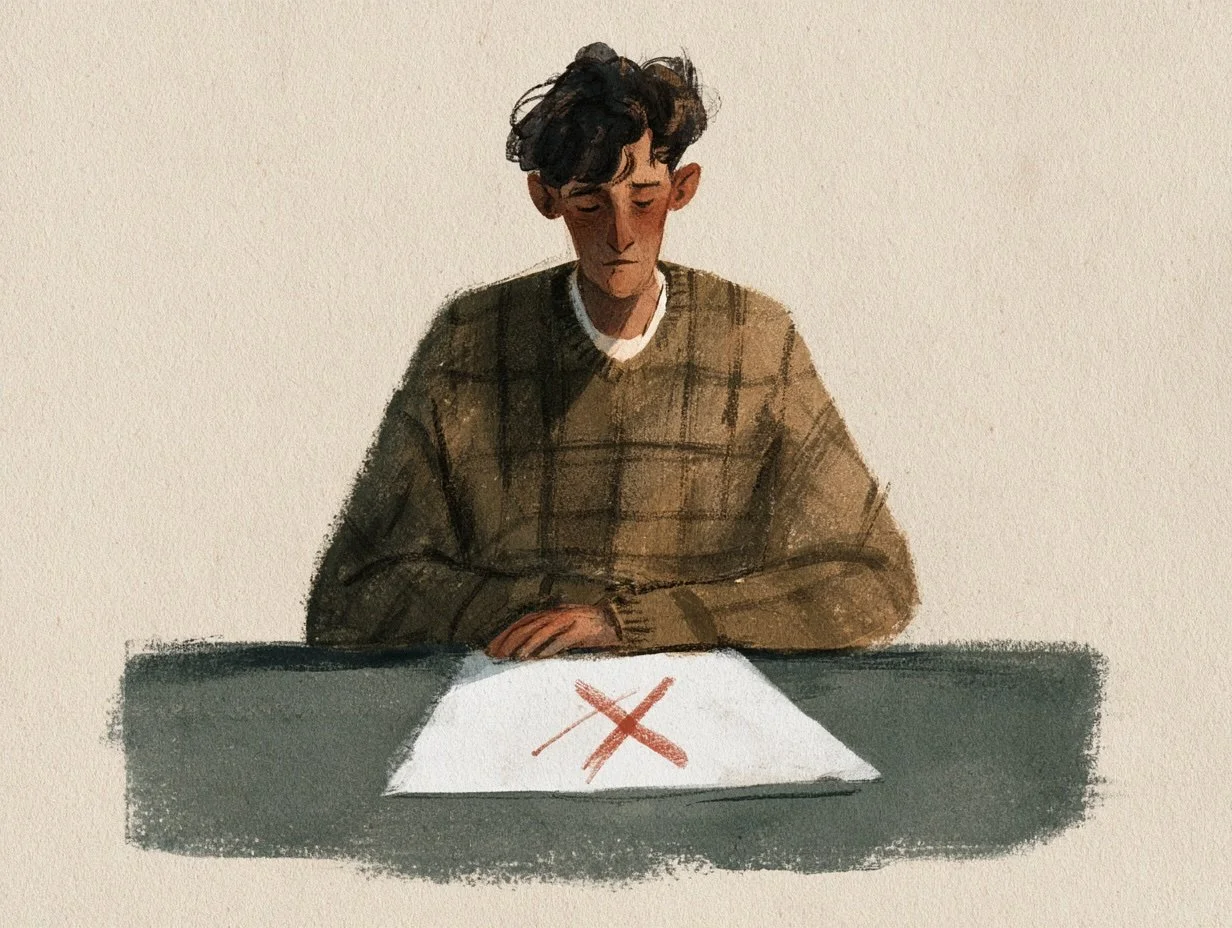
For someone experiencing RSD, a moment that may seem small from the outside — a brief correction, a delayed response, constructive feedback, or a mistake — can trigger a powerful emotional reaction internally.
It is not about being “too sensitive” or lacking resilience. The emotional response is real, and understanding the pattern can help you develop strategies to respond differently.
What RSD may look like:
Feeling deeply hurt by criticism, even when it is intended to be helpful.
Experiencing intense embarrassment, shame, sadness, or anger after perceived rejection.
Replaying conversations and analyzing what you said or how you were perceived.
Worrying about disappointing others or letting people down.
Feeling overwhelmed by mistakes or the possibility of failure.
Seeking frequent reassurance that relationships are okay.
Avoiding situations where you might be judged, criticized, or rejected.
Struggling with perfectionism or feeling like you must “get everything right”.
People-pleasing or overcompensating to avoid disappointing others.
Withdrawing, shutting down, or becoming defensive when hurt.
Common RSD Triggers
-
Criticism or feedback.
A supervisor offering constructive feedback
A partner expressing frustration
Someone pointing out a mistake
A disagreement or confrontation that feels tense or unresolved
-

Perceived rejection.
An unanswered text message that leaves you wondering if something is wrong
Feeling excluded from a group or left out of plans
Interpreting someone’s tone, expression, or behavior as disappointment
Sensing that someone is annoyed or upset with you, even if nothing is said
-

Failure or falling short.
Making a mistake at work
Not meeting a personal or professional goal
Comparing yourself to others and feeling like you don't measure up
Falling behind on something you'd hoped to keep up with
-

Internal expectations.
Perfectionism or feeling like you have to get everything right
Being harder on yourself than you would ever be on someone else
Fear of letting people down or not living up to what they expect of you
An inner critic that rarely lets you feel like you've done enough
The Hidden Side of RSD
Many people with RSD become very skilled at appearing “fine” on the outside while experiencing a much stronger emotional reaction internally. Some may respond by trying harder, becoming perfectionistic, or constantly seeking approval. Others may avoid situations where they could experience criticism or failure.
Over time, this can affect confidence, relationships, career decisions, and willingness to take risks.
Recognizing these patterns is an important first step. ADHD treatment is not only about improving focus — it is also about understanding how ADHD affects emotions, self-perception, and daily life.
Sources & Further Reading
Dodson (2025): New Insights Into Rejection Sensitive Dysphoria. ADDitude.
Ginapp and colleagues (2023): “Dysregulated not deficit”: A qualitative study on symptomatology of ADHD in young adults. PLOS ONE.
Kahn (2026): Rejection Sensitivity Dysphoria: The Actual Research. Psychology Today.
Rowney-Smith and colleagues (2026): The lived experience of rejection sensitivity in ADHD: A qualitative exploration. PLOS ONE.
Soler-Gutiérrez and colleagues (2023): Evidence of emotion dysregulation as a core symptom of adult ADHD: A systematic review. PLOS ONE.

Dive Deeper...
Do I have ADHD?
What is executive function?
What’s driving my digital overload?
Explore all specialties & areas of focus.